

How to Spot a Hidden Gem in the Comic Bargain Bin
Every collector has a story about the one that got away, or the one they pulled out of a long box for a buck. Bargain bins are where those stories start. Most of what's in there is filler, sure. But if you know what to look for, the dollar bin is still one of the best places in the hobby to find real value.
Here's how to dig smarter.
Know Your Keys (Even the Quiet Ones)
The big first appearances are long gone from the cheap boxes. Nobody is leaving a Hulk #181 in a dollar bin. What does slip through are the quieter keys: first cameos, first appearances of villains who later blew up on screen, and origin issues for characters who were C-listers when the book came out.
Streaming and film announcements move this market fast. A minor character gets cast in a new series and suddenly their 1987 debut is worth ten times what it was last month. Keep an eye on casting news and you'll start recognizing names on covers that the person who priced the box didn't.
Look at the Cover, Then Look Again
Some of the best finds aren't about who's inside. They're about what's on the front.
Newsstand editions. From the late '70s through the '90s, newsstand copies were printed in much smaller numbers than direct market copies. Look for a barcode in the corner box instead of a character image or logo. For certain key issues, newsstand copies carry a real premium.
Price variants. Canadian price variants (yes, the ones with the higher cover price) and the scarce 35 cent and 30 cent test variants from the '70s are easy to miss if you're flipping fast.
Iconic artists. A cover by an artist who later became a legend can carry value even when the story inside is forgettable.
Condition Matters More Than You Think
A common book in great shape can beat a key in rough shape. When you're digging, check:
Spine stress and color breaks. Hold the book at an angle under good light.
Corners and edges. Sharp corners are a good sign. Rounded or chipped ones drag the grade down quickly.
Page quality. White or off-white pages are what you want. Brown, brittle pages mean the book hasn't been stored well.
If a book looks like it could grade high, it might be worth considering for professional grading later. A raw book that comes back a 9.6 can be a very different conversation than the same book ungraded.
Don't Ignore the "Boring" Eras
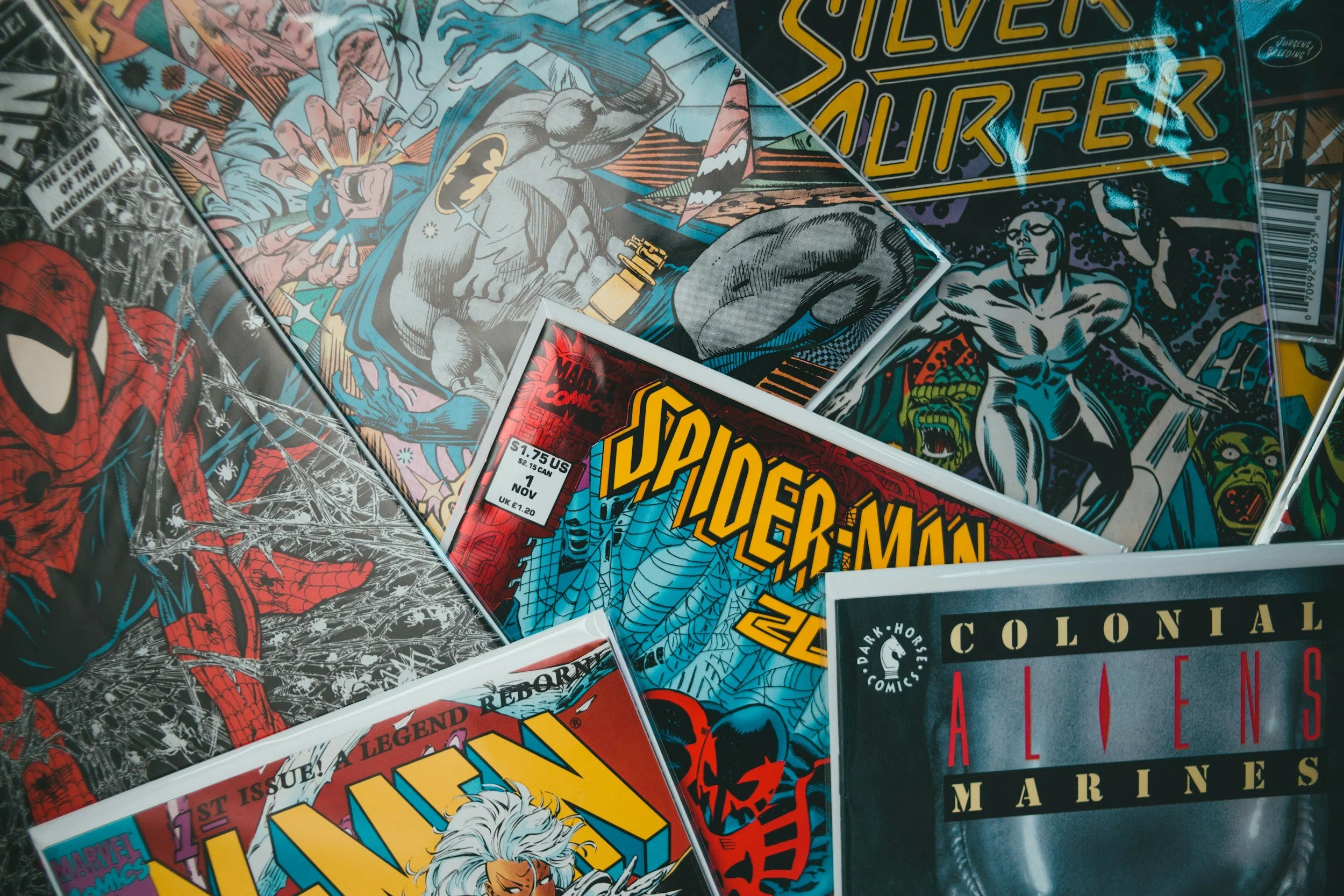
Collectors tend to chase the Silver and Bronze Ages, and the speculator boom of the early '90s has a reputation for overprinting. But the Copper Age and modern era both have low print run books that are genuinely hard to find. Late-run issues of cancelled series, small publisher titles, and books that were ordered in tiny numbers before a character got popular can all turn up in cheap boxes.
Bring Your Phone (and Use It)
There's no shame in looking things up. Check recent sold listings, not asking prices. Sold data tells you what people actually pay. If something looks interesting and the price is right, it's usually worth the gamble. The worst case is you've got a fun read.
Start Digging
The thrill of the hunt is half the fun of collecting. Whether you're after a sleeper key, a sharp newsstand copy, or just a great run to read, there's always something worth finding.
Come see what we've got in stock at Terminal City Collectibles. New arrivals land regularly, and you never know what's sitting in the next box.