

Clayface Is Finally Getting the Movie Treatment. Here's His Comic History
Clayface has been one of Batman's strangest, creepiest villains for over eighty years, and he's never quite gotten his due on screen. That changes September 11, when DC's Clayface movie, directed by James Watkins and written by Mike Flanagan, puts Tom Rhys Harries in the title role.
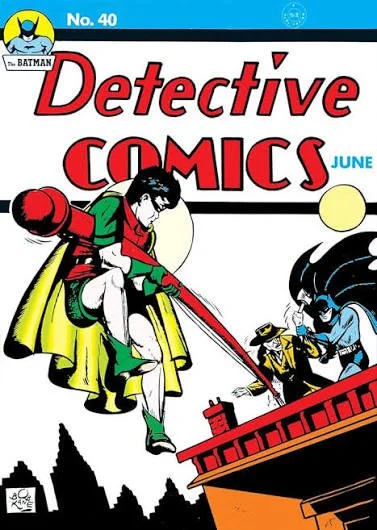
The character's roots go back further than most people realize. The original Clayface, Basil Karlo, first appeared in Detective Comics #40 (June 1940), created by Bill Finger and Bob Kane. Karlo was a washed-up actor who murdered under the identity of Clayface, one of his old roles, going after the cast of a film that was recasting his old part. It's a genuinely unsettling premise for 1940, more slasher-movie logic than typical Golden Age crimefighting fare, and it's part of why the character has stuck around this long.
Karlo wasn't the only Clayface, either. A second version, Matt Hagen, debuted in Detective Comics #298 (December 1961), gaining true shapeshifting powers after exposure to a radioactive protoplasm pool. Hagen's version is closer to the shapeshifting monster most modern audiences picture when they hear the name, and depending on which era of Clayface a collector is chasing, the entry points and price points look very different.
Whichever era he's from, Clayface occupies a weird, underappreciated corner of the Batman rogues' gallery. He's not flashy like the Joker or tragic like Two-Face, he's just relentlessly creepy, a villain built entirely around identity and transformation. That's probably why he's lasted this long, and why a studio finally decided he was worth a standalone film.
If the movie's got you curious about where Clayface actually came from, now's the moment. Opening weekend hype tends to move interest (and prices) fast.
Check out our DC titles before opening weekend.