

40 Years Later, The Dark Knight Returns Still Defines Batman
Some comics change a character. The Dark Knight Returns changed what a character was allowed to be.
Published as a four-issue miniseries by DC Comics from February to June 1986, written by Frank Miller and illustrated by Miller and Klaus Janson, with color by Lynn Varley, the story imagines a 55-year-old Bruce Wayne returning from a decade of retirement to fight crime again, over the objections of the Gotham City police and the U.S. government. It's not continuity, it's not canon, it's Miller building his own end point for the character. And somehow that freedom is exactly what made it land so hard.
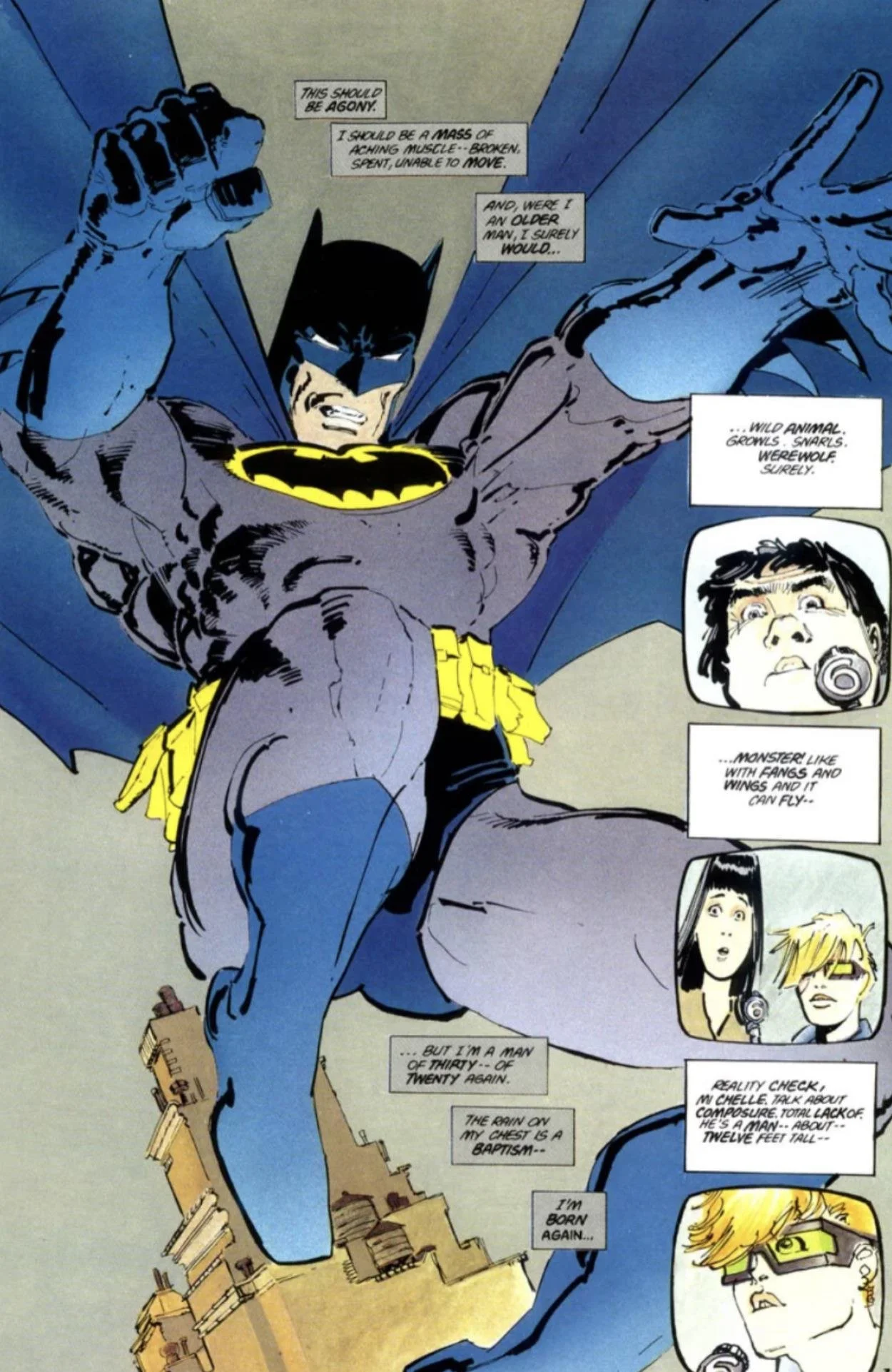
Issue #1 does the real work. It introduces an older, angrier Batman who's done negotiating with anyone, brings in Carrie Kelley as the new Robin, and sets Gotham up as a city that's rotted past the point of ordinary crimefighting. The series is widely credited with popularizing more mature storytelling in comics, and with introducing wider pop culture to a darker take on Batman. Every gritty, R-rated interpretation of the character that's followed (Nolan's trilogy included) owes something to this book.
DC clearly agrees it's worth marking. This year, DC kicked off a year-long 40th anniversary celebration for The Dark Knight Returns, spanning new publishing initiatives, creator retrospectives, and special edition releases, including facsimile editions of the original single issues complete with period-accurate covers and ads. Current Batman issues are already carrying anniversary variant covers referencing it.
For collectors, that's a meaningful signal. Anniversary attention from the publisher itself tends to keep a book's relevance (and its market) active well past the actual anniversary year. And unlike a lot of 1980s key issues, DKR #1 isn't just valuable, it's genuinely one of the best Batman stories ever put on paper. This is a book worth owning to read, not just to shelve.
Forty years on, it still holds up as the moment Batman stopped being just a hero and started being a myth.
Check out our Batman titles and see where the modern Batman really started.